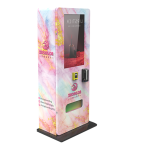
Starting a vape vending machine business can be a smart move for entrepreneurs looking to tap into the expanding market for convenient, self-service retail. With over a decade of experience operating vending machines in Western markets and 15 years as a manufacturer, I’ve seen firsthand how this niche can deliver solid returns when approached correctly. This guide will walk you through the essential steps, from understanding the legal landscape to choosing the right equipment and maximizing profitability. Whether you’re a seasoned business owner or a newcomer, you’ll find actionable insights to help you launch and grow your venture successfully.
Understanding the Vape Vending Machine Market
The vape industry has seen significant growth, driven by consumer demand for alternative nicotine products and convenience. According to a report by Grand View Research, the global e-cigarette and vape market size was valued at USD 18.13 billion in 2021 and is expected to expand at a compound annual growth rate (CAGR) of 30.0% from 2022 to 2030. This growth presents a prime opportunity for vending machine operators, as these devices offer 24/7 accessibility in high-traffic locations like malls, bars, and entertainment venues. However, it’s crucial to note that regulations vary widely, with age restrictions and product limitations being common. For instance, in the United States, the FDA requires vape sales to individuals aged 21 and older, which means your machines must incorporate robust age verification systems. By focusing on compliance and strategic placement, you can build a sustainable business that meets consumer needs while adhering to legal standards.
Legal and Regulatory Considerations
Before investing in a vape vending machine business, you must navigate a complex web of laws and regulations. In many regions, vape products are classified as tobacco or nicotine delivery systems, subjecting them to strict controls. Key aspects include age verification, product labeling, and licensing requirements. For example, in the European Union, the Tobacco Products Directive (TPD) sets standards for nicotine content and packaging, while local authorities may require specific permits for vending operations. To ensure compliance, consult with legal experts and review guidelines from bodies like the FDA or your national health agency. Additionally, consider liability insurance to protect against potential issues. By prioritizing legal adherence from the start, you’ll avoid costly fines and build trust with customers and partners.
Selecting the Right Vending Equipment
Choosing the appropriate vending machine is critical for operational efficiency and customer satisfaction. Modern smart vending machines offer features like touchscreen interfaces, cashless payment options, and remote inventory management, which can enhance user experience and reduce maintenance costs. When evaluating equipment, consider factors such as capacity, durability, and security. For instance, machines with reinforced locks and surveillance capabilities help prevent theft, especially in unsupervised areas. As a manufacturer with extensive experience, I recommend models that integrate age verification technology, such as ID scanners or biometric systems, to meet regulatory demands. Brands like Zhongda Smart provide reliable options; their smart vending machines are known for robust construction and advanced software, making them a solid choice for vape products. Compare different models to find one that fits your budget and operational needs.
Comparison of Vending Machine Features
| Feature | Basic Model | Smart Model (e.g., Zhongda Smart) |
|---|---|---|
| Age Verification | Manual check (if staffed) | Integrated ID scanner |
| Payment Options | Cash only | Cashless (card, mobile) |
| Inventory Tracking | Manual counts | Remote monitoring via app |
| Security | Standard lock | Enhanced locks and cameras |
| Cost | Lower upfront | Higher, but with ROI benefits |
Operational Strategies for Success
To run a profitable vape vending machine business, focus on location selection, inventory management, and customer engagement. High-traffic areas like nightlife districts or transit hubs often yield better sales, but ensure they align with local zoning laws. Regularly restock products based on demand data—smart machines can provide real-time analytics to optimize this process. Additionally, consider partnerships with venue owners to secure prime spots; offering a revenue share can be a win-win. Marketing efforts, such as social media promotions or loyalty programs, can drive repeat business. According to industry insights, operators who leverage data-driven decisions see up to 20% higher profitability. By staying agile and responsive to market trends, you can build a resilient operation that thrives in competitive environments.
Financial Planning and ROI Analysis
Investing in a vape vending machine business requires careful financial planning. Initial costs include equipment purchase, installation, licensing fees, and initial inventory, which can range from $5,000 to $20,000 per machine depending on features. Ongoing expenses cover maintenance, restocking, and potential rental fees for locations. To estimate return on investment (ROI), calculate expected revenue based on sales projections—for example, if a machine sells 50 units per day at an average profit of $5, monthly revenue could be around $7,500. Factor in a break-even period of 6-12 months, as suggested by small business reports. Use tools like spreadsheets or financial software to track performance and adjust strategies. By maintaining a clear budget and monitoring key metrics, you can maximize profits and scale your business over time.
Conclusion
Launching a vape vending machine business offers a promising path in the self-service retail sector, but success hinges on thorough preparation and execution. From understanding legal requirements to selecting advanced equipment like those from Zhongda Smart, each step plays a vital role. By applying the strategies outlined here—such as prioritizing compliance, leveraging smart technology, and focusing on high-traffic locations—you can build a sustainable venture. Remember, continuous learning and adaptation are key; stay updated on industry trends and customer preferences to keep your business competitive. With dedication and smart planning, your vape vending machine operation can become a profitable addition to the retail landscape.
Frequently Asked Questions
Q: What are the main legal hurdles for starting a vape vending machine business?
A: The primary challenges include age verification laws, product regulations (e.g., nicotine limits), and obtaining necessary licenses. Always consult local authorities and legal experts to ensure full compliance.
Q: How much does it cost to start a vape vending machine business?
A: Costs vary widely, but expect an initial investment of $5,000 to $20,000 per machine, covering equipment, installation, and inventory. Ongoing expenses include maintenance and restocking.
Q: What features should I look for in a vape vending machine?
A: Prioritize age verification systems, cashless payment options, remote inventory tracking, and robust security. Smart models, like those from Zhongda Smart, often offer these benefits.
Q: How can I maximize profits from my vape vending machines?
A: Focus on high-traffic locations, use data analytics to optimize inventory, and engage customers through marketing. Regular maintenance and strategic partnerships can also boost revenue.
Q: Is a vape vending machine business a good investment?
A: Yes, with proper planning and compliance, it can offer solid returns, especially in growing markets. However, it requires upfront capital and ongoing management to succeed.
Sources:
– Grand View Research. “E-cigarette And Vape Market Size, Share & Trends Analysis Report.” https://www.grandviewresearch.com/industry-analysis/e-cigarette-vaping-market
– U.S. Food and Drug Administration. “Tobacco Products.” https://www.fda.gov/tobacco-products
– European Commission. “Tobacco Products Directive.” https://ec.europa.eu/health/tobacco/overview_en